










How Economic Changes Affect Sneaker Collectors Resellers and Retailers

The sneaker industry has long been a dynamic market driven by trends, culture, and consumer demand. Recently, shifts in the global economy have introduced new challenges and opportunities for everyone involved—from passionate collectors to resellers and retailers. Understanding how economic changes affect this niche market is essential for anyone looking to navigate or thrive in the sneaker world today.

How Economic Shifts Influence Sneaker Collectors
Collectors often view sneakers as more than just footwear; they see them as investments, cultural artifacts, or personal treasures. Economic changes impact collectors in several ways:
Disposable Income Fluctuations
When the economy slows down or inflation rises, collectors may have less money to spend on high-priced or rare sneakers. This can lead to a decrease in demand for premium releases and limited editions.
Changing Priorities
Economic uncertainty often shifts consumer priorities toward essentials. Collectors might delay or reduce purchases, focusing on sneakers that offer better value or versatility rather than rare or exclusive pairs.
Market Value Volatility
The resale value of collectible sneakers can fluctuate with economic conditions. For example, during economic downturns, prices for some sought-after models may drop as fewer buyers are willing to pay premium prices.
Increased Interest in Affordable Alternatives
Some collectors turn to more affordable or retro models during tough economic times, seeking to maintain their hobby without overspending.
Example
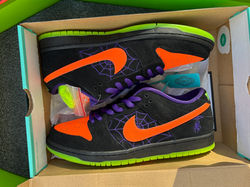
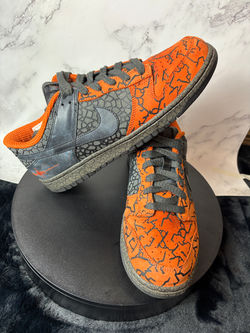
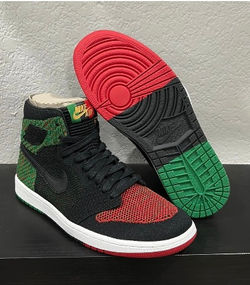
During the 2020 economic slowdown caused by the pandemic, many collectors paused their spending on high-end sneakers. However, some shifted focus to classic models like the Air Jordan 1 or Nike Dunk, which maintained steady demand due to their cultural significance and relatively lower prices compared to newer releases.
The Reseller Market and Economic Changes
Resellers operate in a fast-paced environment where timing, demand, and pricing are crucial. Economic changes affect their strategies and profitability:
Supply Chain Disruptions
Economic instability often leads to delays in manufacturing and shipping. Resellers may face challenges in acquiring limited releases on time, affecting their ability to meet demand.
Price Sensitivity Among Buyers
When consumers tighten their budgets, resellers may need to adjust prices to attract buyers. This can reduce profit margins, especially for sneakers that previously commanded high premiums.
Shift in Consumer Behavior
Resellers notice changes in what buyers want. For example, during inflationary periods, buyers might prefer sneakers with timeless appeal and durability over trendy or flashy designs.
Increased Competition
Economic downturns can push more people into reselling as a side income, increasing competition and making it harder to secure profitable deals.
Example
In 2022, rising inflation led to a noticeable dip in resale prices for some hyped sneakers like the Yeezy Boost 350 V2. Resellers had to lower prices to move inventory, while others focused on rare collaborations that retained value despite economic pressures.
Retailers Facing Economic Challenges and Opportunities
Retailers, whether brick-and-mortar stores or online platforms, must adapt to economic changes to stay competitive:
Inventory Management
Economic uncertainty makes it harder to predict demand. Retailers risk overstocking or understocking, both of which can hurt profits. Smart inventory strategies, such as focusing on best-sellers or limited releases, become crucial.
Pricing Strategies
Retailers may need to offer discounts or bundle deals to attract cautious buyers. At the same time, they must balance this with maintaining brand value and avoiding excessive markdowns.
Customer Engagement
Economic shifts often change how customers shop. Retailers who build strong relationships through loyalty programs, exclusive drops, or personalized experiences can retain customers even when spending slows.
Adapting to Online Trends
The rise of e-commerce and digital marketplaces has accelerated during economic shifts. Retailers investing in online presence and seamless shopping experiences can capture a broader audience.
Example
A sneaker retailer in 2023 noticed that customers preferred limited edition releases and collaborations over general releases during a period of economic uncertainty. The retailer adjusted by securing exclusive partnerships and hosting special events, which helped maintain steady sales despite broader market challenges.
Practical Tips for Collectors, Resellers, and Retailers
Navigating economic changes requires flexibility and informed decisions. Here are some practical tips for each group:
For Collectors
Focus on sneakers with lasting cultural or historical value.
Consider diversifying your collection with affordable classics.
Monitor market trends to buy during dips and sell during peaks.
For Resellers
Build relationships with retailers and brands to access early releases.
Stay informed about economic indicators that affect consumer spending.
Diversify inventory to include both high-demand and steady sellers.
For Retailers
Use data analytics to forecast demand and optimize inventory.
Engage customers with exclusive offers and loyalty rewards.
Invest in online platforms to reach wider markets efficiently.
Looking Ahead
Economic changes will continue to shape the sneaker industry in unpredictable ways. Collectors, resellers, and retailers who stay adaptable and informed will find opportunities even in challenging times. The key lies in understanding how shifts in income, consumer behavior, and supply chains affect the market and responding with smart strategies.
The sneaker market is resilient, fueled by passion and culture. By paying attention to economic trends and adjusting accordingly, everyone involved can continue to enjoy and profit from this vibrant industry. Whether you collect for love, resell for income, or retail for business, staying aware of economic impacts will help you make better decisions and stay ahead.


Comments